
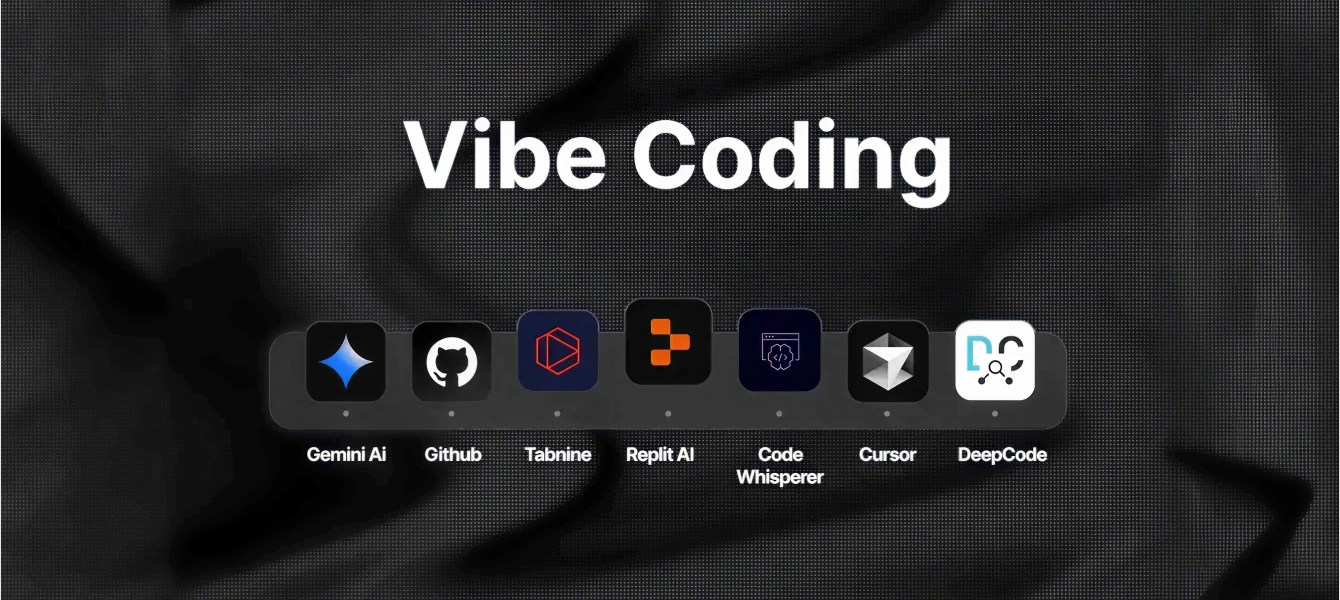
“Vibe Coding” Tools in 2026: What They Can Build (and What They Can’t) for Businesses
In 2026, “vibe coding” tools are everywhere. AI-powered platforms now promise to build websites, apps, and even software products from simple prompts. For businesses in the UAE, the question is no longer whether AI can build something — it is whether it can build the right thing.
Before relying entirely on automated tools, it is important to understand what vibe coding tools can realistically deliver and where human expertise is still essential.
What Are Vibe Coding Tools?
Vibe coding refers to AI-driven development platforms that generate code, layouts, and functionality based on natural language instructions. Instead of writing code manually, users describe what they want, and the AI generates the structure.
These tools are improving rapidly and can produce usable outputs in minutes.
What Vibe Coding Tools Can Build Well
In 2026, AI development tools are particularly effective at:
- Basic marketing websites
- Landing pages
- Simple web applications
- Internal tools and dashboards
- Prototypes and MVP concepts
For startups testing an idea or businesses needing quick mock-ups, vibe coding tools can reduce early development time significantly.
Where Vibe Coding Tools Struggle
Despite their speed, AI-generated development has limitations. Businesses in Dubai and across the UAE often require more than just functional layouts.
Common limitations include:
- Complex integrations with CRM or ERP systems
- Scalable architecture planning
- Advanced security configurations
- High-performance optimisation
- Custom UX strategy tailored to local audiences
AI can generate code, but it does not fully understand business strategy, regulatory requirements, or long-term scalability planning.
Security and Compliance Considerations
Automated tools may not account for regional compliance requirements such as data handling policies or secure infrastructure setup. Businesses must ensure that any AI-generated solution follows proper hosting, security, and privacy standards.
Code that works is not the same as code that is secure and compliant.
Performance and Scalability Risks
AI-generated projects often prioritise speed over optimisation. While a website or app may look complete, backend performance, database efficiency, and load handling may not be structured for growth.
In 2026, users expect fast performance and seamless experience. Scalability should be planned, not improvised later.
So Should Businesses Use Vibe Coding Tools?
Yes — but strategically.
Vibe coding tools are excellent for prototyping, idea validation, and simple builds. However, when projects involve revenue generation, sensitive data, complex integrations, or long-term expansion, professional development oversight remains critical.
AI is a powerful assistant, not a full replacement for structured architecture and business-driven strategy.
Final Thoughts
In 2026, vibe coding tools are reshaping how businesses approach development. They reduce barriers to entry and accelerate experimentation.
However, sustainable digital growth in the UAE still requires strategic planning, secure infrastructure, and performance-focused implementation. The smartest businesses will combine AI efficiency with expert guidance.